
Why do people burn paper money during the Zhongyuan Festival? A Look at this unique custom
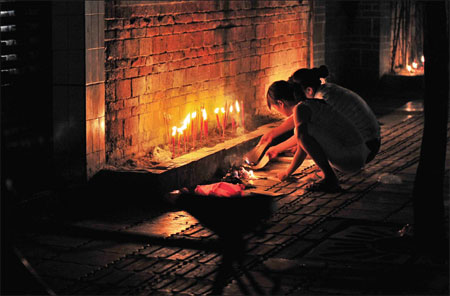
The
The origins of this practice are deeply rooted in ancient Chinese beliefs about the afterlife. It is thought that during the seventh lunar month, the gates of the underworld open, allowing spirits—both ancestral and wandering—to visit the world of the living.
These spirits, particularly the "hungry ghosts" who lack descendants to care for them, are believed to roam in search of sustenance and comfort. To appease them and ensure their peaceful return to the underworld, people burn paper money as a symbolic offering.
The act of burning joss paper is more than just a gesture of goodwill; it is a profound expression of filial piety and respect for ancestors. By sending these symbolic "funds" to the afterlife, families aim to provide financial resources for their deceased loved ones, ensuring their comfort and well-being in the spiritual realm.
While the Zhongyuan Festival focuses on appeasing spirits and honoring both ancestors and wandering ghosts, it differs from the
Celebrated in spring, the Qingming Festival emphasizes tomb-sweeping and paying respects at gravesites. Families visit the resting places of their ancestors to clean and decorate them, offering food and incense as a tribute.
In contrast, the Zhongyuan Festival is unique in its focus on the interaction between the living and the spirits who temporarily return to the world.
This distinction highlights the diverse ways Chinese culture honors the bond between the living and the dead throughout the year.
Through this unique tradition, the Zhongyuan Festival underscores the enduring bond between the living and the dead, offering a poignant reminder of the importance of remembrance, respect, and generosity.

